Shanghai is a city to explore at street level as well as from across the river. Start with the Bund’s grand waterfront buildings and Pudong’s towers, then spend an afternoon on tree-lined streets where bakeries, noodle shops, and small galleries sit close together. Its appeal is in the contrast between a busy global city and the everyday ritual of a neighborhood breakfast. It also makes a comfortable place to begin or finish a longer China journey. Plan a few landmarks, but save room for aimless walks, a long lunch, and an evening beside the Huangpu.
Make room for these.
Landmarks are the beginning. The time between them is part of the trip.
Yuyuan Garden
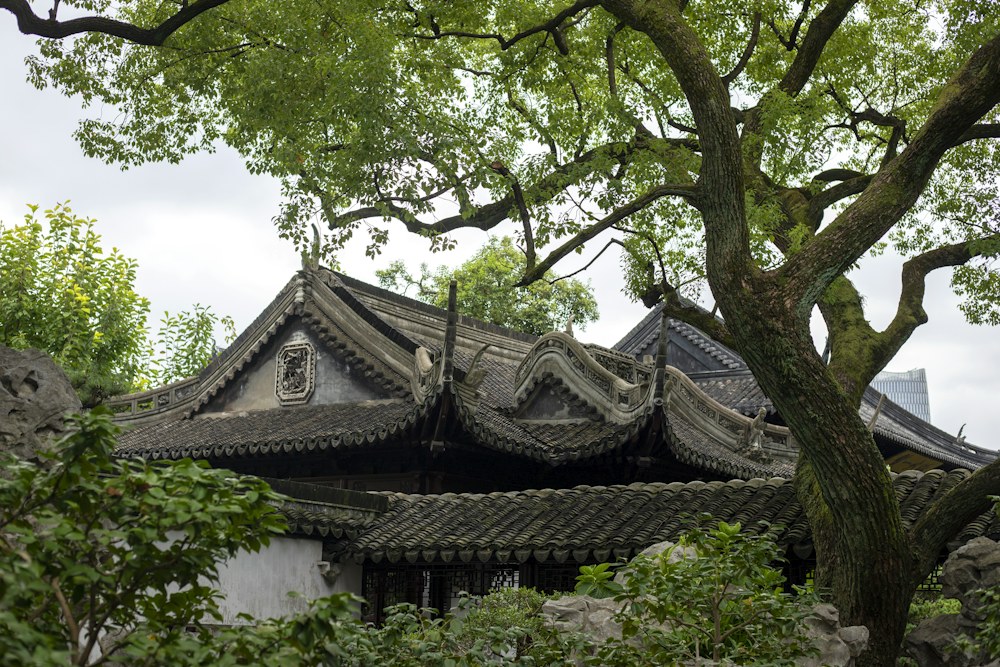
Look closely at the roofs, rockeries, and trees in Yuyuan Garden.
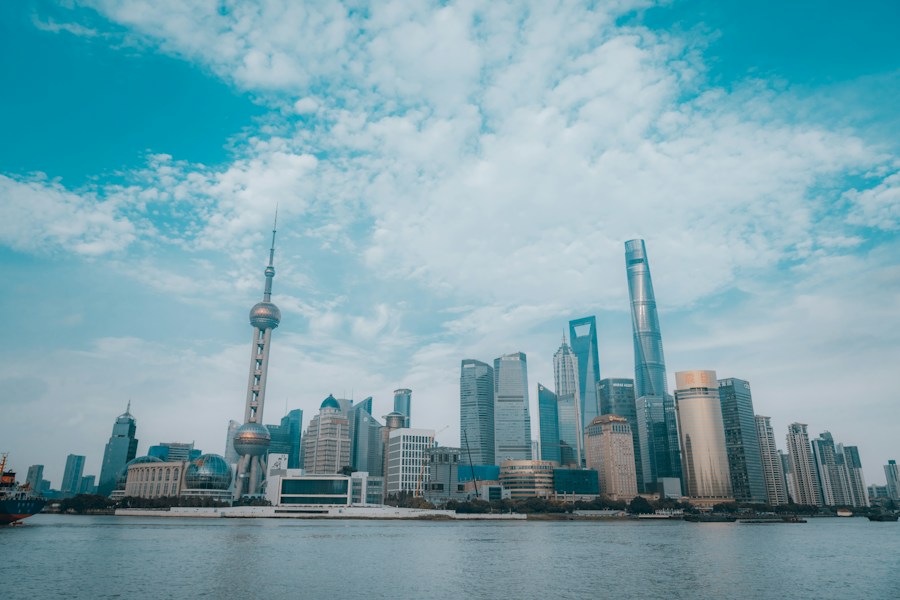
Historic waterfront façades face Pudong’s modern towers across the Huangpu River. Walk the promenade in daylight to see the architecture, then return after dark for a different mood. The area near the river can become crowded, so give yourself time and explore nearby streets too.
02
Yuyuan Garden and the old city
豫园
Inside Yuyuan, rockeries, ponds, and pavilions create a compact classical garden. Outside, the surrounding shopping lanes have a much livelier feel. Treat the garden and the commercial district as two different experiences, and pause to look closely rather than only following the busiest route.
03
The former French Concession area
衡复风貌区
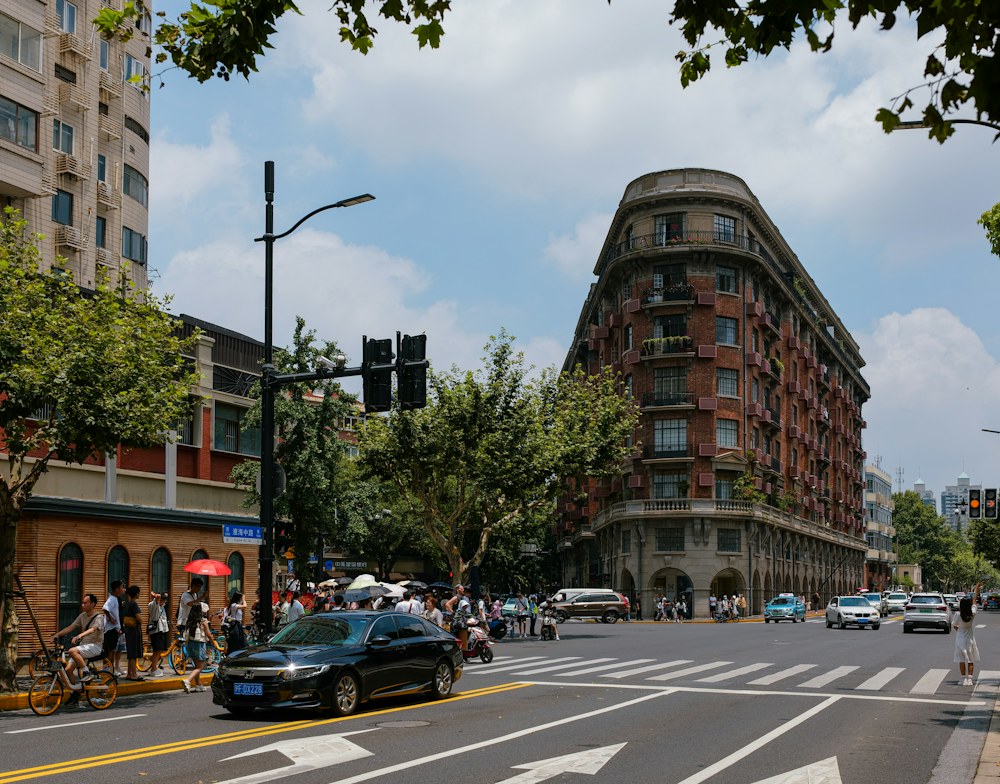
Build a walk around Wukang Road, quieter side streets, and leafy avenues. Architectural details, small shops, and cafés reward slow observation. The neighborhood is spread out and still lived in; choose a manageable section, avoid blocking doorways, and let lunch become part of the route.
04
Pudong from the riverbank
陆家嘴
Cross to the other side of the river to see the towers at close range and look back toward the Bund. An observation deck can be memorable in clear weather, but a ground-level riverside walk is also worthwhile. Decide on a ticket once you understand the visibility.
A STARTING POINT, NOT A SCHEDULE
A few days, well spent.
Our suggested route leaves space to wander. Check opening days, reservations and weather before committing.
DAY 1
Two sides of the Huangpu
Start with the Bund and nearby streets, then cross to Lujiazui for lunch and a riverside walk. Choose an observation deck only if the weather makes it worthwhile. Return to the waterfront after dinner, allowing extra time for crowds and a relaxed journey back.
DAY 2
Gardens and neighborhood tables
Visit Yuyuan early in your day, then leave the busiest shopping lanes for a proper lunch. Spend the afternoon exploring a small section of the former French Concession area. Finish with a restaurant reservation or an informal series of snack stops, depending on your appetite.
DAY 3
Follow your own interests
Choose one museum, design district, or longer neighborhood walk rather than crossing the city repeatedly. Add a coffee break and a dumpling lunch. If you have a fourth day, consider Suzhou as an overnight extension so its gardens are more than a rushed excursion.
Let the food be part of the trip.
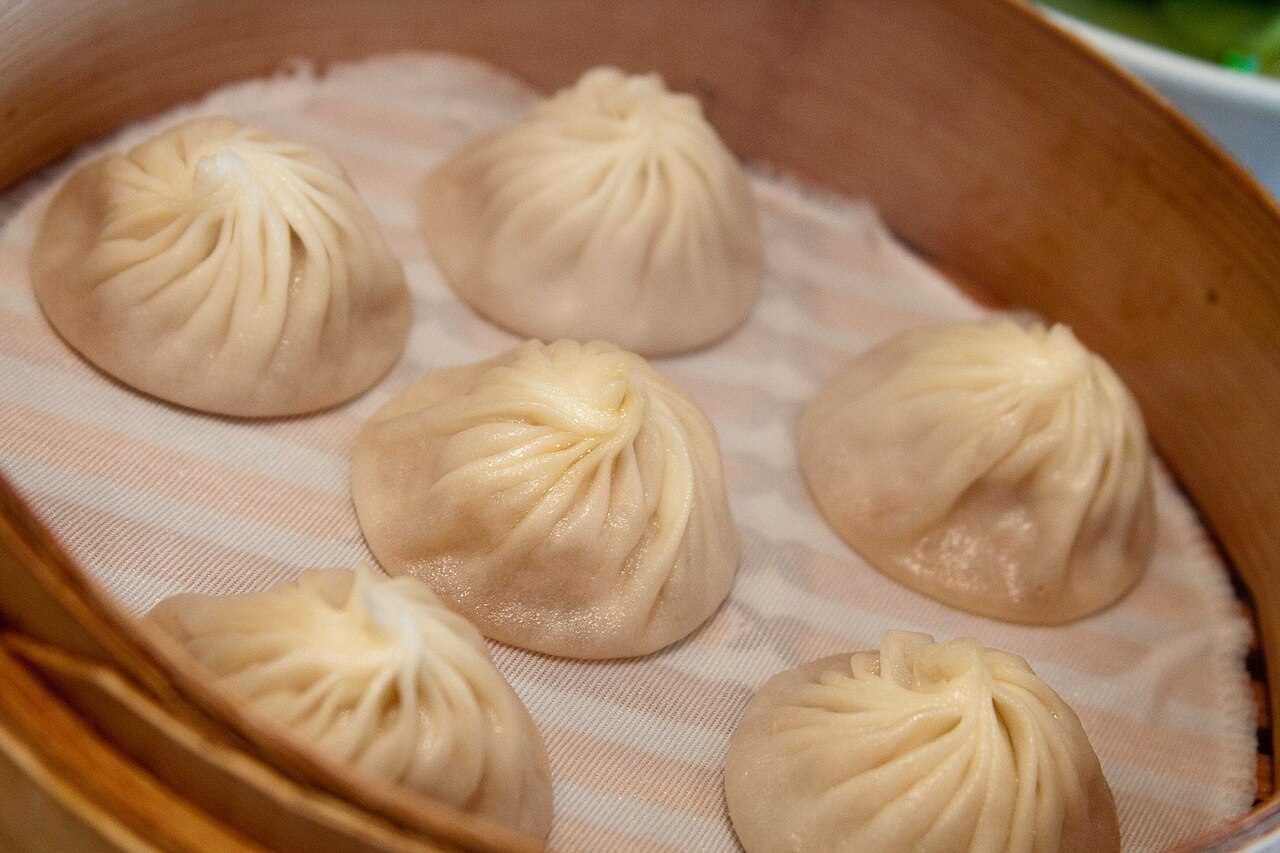
Xiaolongbao
A serving of xiaolongbao: delicate dumplings with broth inside.
Useful central bases with plenty of dining and metro options. Choose a hotel close to the particular station exits you will use.
Xuhui / leafy central neighborhoods
A good fit if cafés and neighborhood walks matter more than a skyline-facing room. Check transit connections before booking a charming but isolated address.
Getting around
The metro is the simplest backbone for a Shanghai stay, with taxis useful for the last stretch or a late return. Plan walks within one district and use transit between them. Airport and railway station names matter: Hongqiao and Pudong are different gateways, and a ticket labeled Shanghai Hongqiao does not mean the central Shanghai railway station. Save Chinese addresses and allow a generous buffer for your departure.