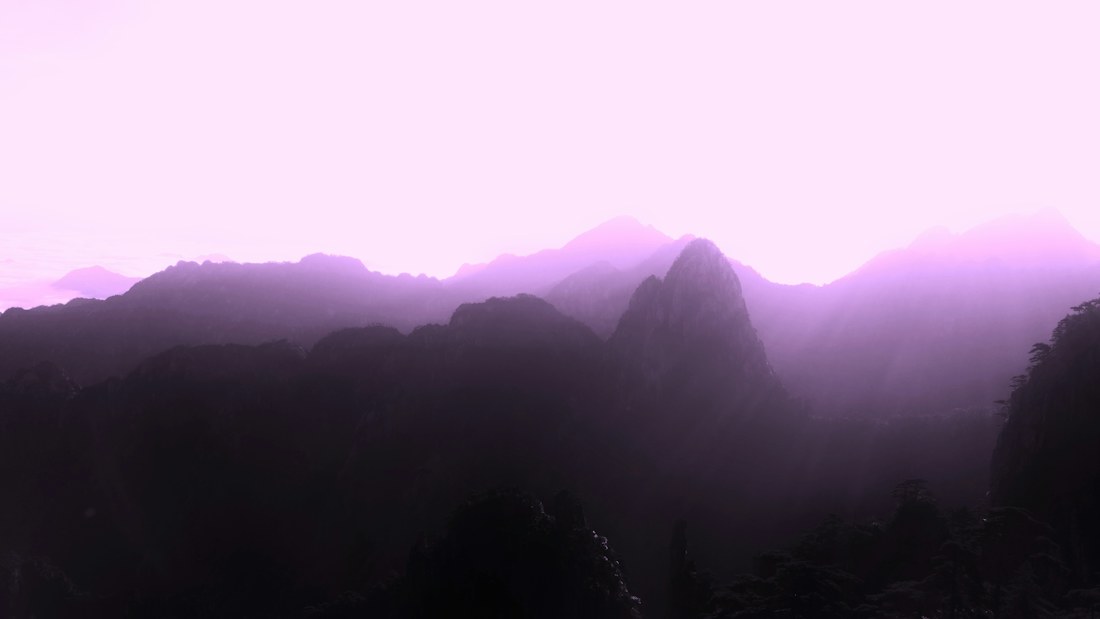
Huangshan is the kind of landscape that changes every time you look up. Granite peaks, wind-shaped pines, and shifting clouds give the mountain its famous atmosphere, while the villages below offer a different kind of beauty in white walls, dark rooflines, and quiet courtyards. Plan for both if you can. The mountain rewards flexibility and sensible pacing, not a race to every summit. An overnight stay above or below the peaks changes what is practical, so choose the experience you want before booking. Add a village day and the journey becomes a fuller introduction to the landscapes and architecture of southern Anhui.
Make room for these.
Landmarks are the beginning. The time between them is part of the trip.
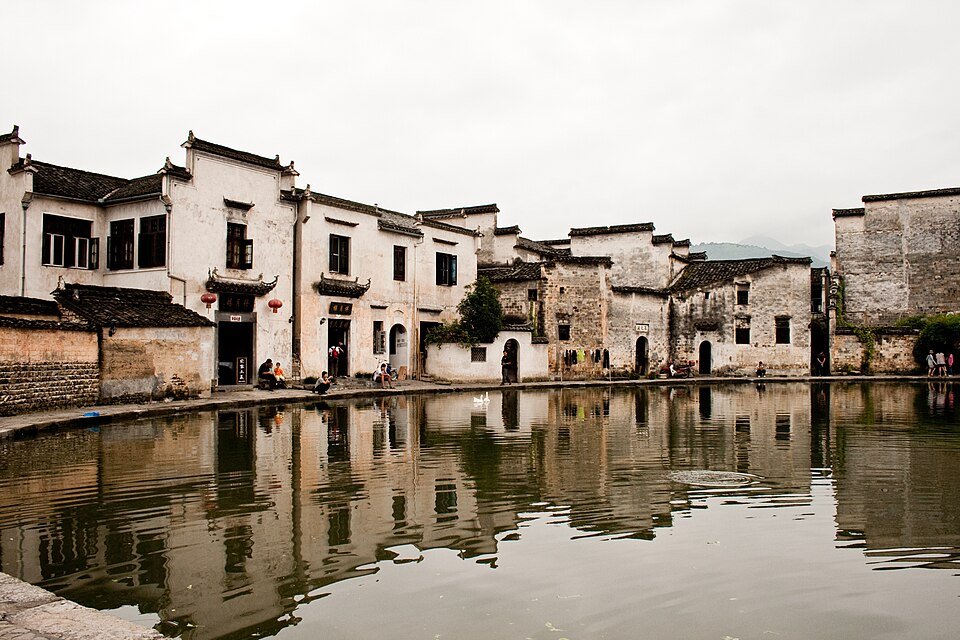
Hongcun
Hongcun’s village architecture offers a quieter counterpoint to the mountain.
The combination of granite ridges, distinctive pine trees, and cloud is the main reason to come. Build a route around your actual entrance, transport, and accommodation. Cableways can reduce some climbing, but the mountain still involves steps and uneven walking between viewpoints.
02
An overnight mountain stay
山上住宿
Staying on the mountain can give you more time for changing light and a less hurried route. It does not guarantee sunrise or a sea of clouds. Compare locations carefully, carry only what you need, and understand the walk from your arrival cableway or trail to the hotel.
03
Hongcun
宏村
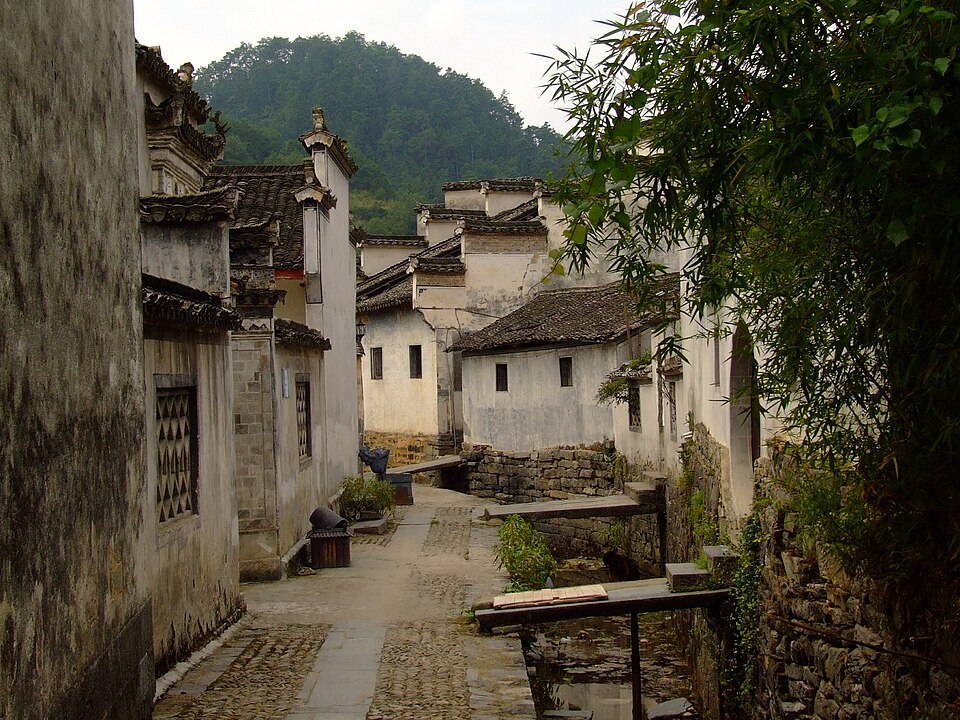
Whitewashed houses, dark tiled roofs, and water features make this village an appealing architectural counterpoint to the mountain. Look beyond the most familiar pond view to the lanes and courtyards. Residents still use these spaces, so follow access signs and ask before entering private areas.
04
Xidi
西递
Another historic Huizhou village, Xidi rewards attention to carved details, building proportions, and the relationship between houses and lanes. You do not have to visit both famous villages in a hurried half-day. Choose one properly, or allow enough time to appreciate how their atmospheres differ.
A STARTING POINT, NOT A SCHEDULE
A few days, well spent.
Our suggested route leaves space to wander. Check opening days, reservations and weather before committing.
DAY 1
A village introduction
Arrive and visit Hongcun or Xidi, choosing a base that suits the following mountain days. Take a slow walk and enjoy a regional dinner. Confirm mountain tickets, transport, luggage storage, and the forecast before bedtime so the next morning starts with a clear plan.
DAY 2
Head into the mountains
Follow a planned route into Huangshan, using the transport option that fits your ability and booking. If staying overnight above, keep enough time to reach the hotel comfortably. Enjoy a few good viewpoints instead of extending the walk until you are exhausted.
DAY 3
Let the conditions decide
If staying on the mountain, consider an early view only when conditions and access suit. Continue a manageable route before descending, with a buffer for queues. A fourth day creates room for the other village or a weather adjustment without putting onward travel under pressure.
Let the food be part of the trip.
Stinky mandarin fish
Fermented mandarin fish, an Anhui specialty with a distinctive aroma.
Practical for early mountain access. Check the actual transfer point and luggage storage rather than assuming every nearby hotel is walkable to an entrance.
A mountain hotel or village guesthouse
Choose the mountain for changing light, or a village for a gentler stay. These offer different experiences and need different luggage and transport plans.
Getting around
Huangshan city, Huangshan North station, the mountain gateway at Tangkou, and the villages are separate places. Plan transfers between them instead of treating the name Huangshan as one small destination. Within the mountain, cableways and shuttle services connect with walking routes, not door-to-door sightseeing. Check current access and allow time for queues. Store large luggage below if staying on the mountain, and avoid a tight train connection after descending.